
Endemic Echoes: A Masterclass in Andaman Birding Photography
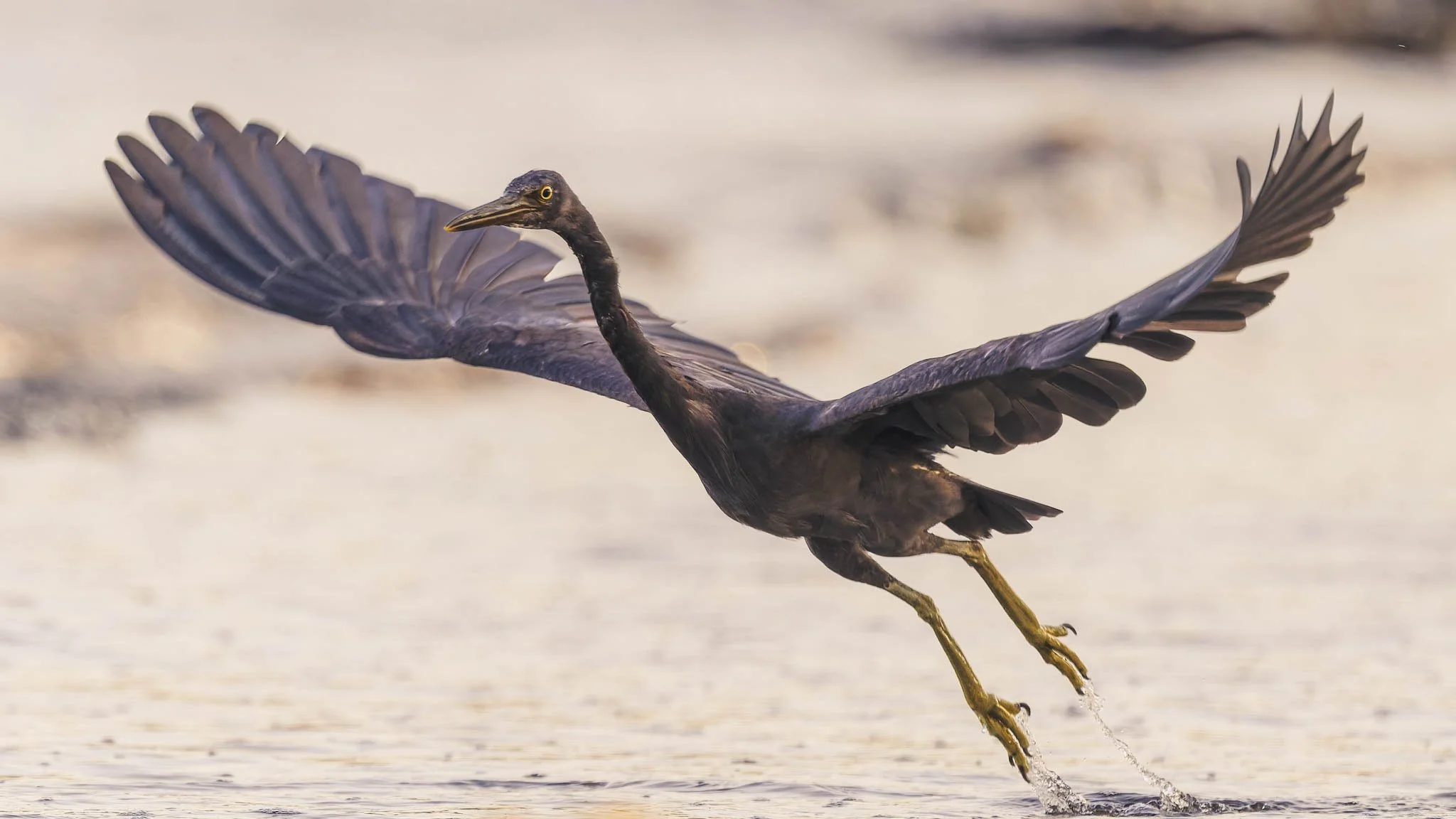
Pacific Reef Heron taking off from the coasts of Andaman Island in a beautiful sunset
The Field Experience
Stepping off the plane from Chennai into the humid embrace of Port Blair, the air felt thick with the promise of something wild. This was my first guided birding expedition in the Andaman Islands, a venture into one of India’s most restricted and biodiverse frontiers. My guides, Mani Mk (@andaman_birding_guide_mani_mk) and his sister, met me with the quiet confidence of people who know the forest's secrets.
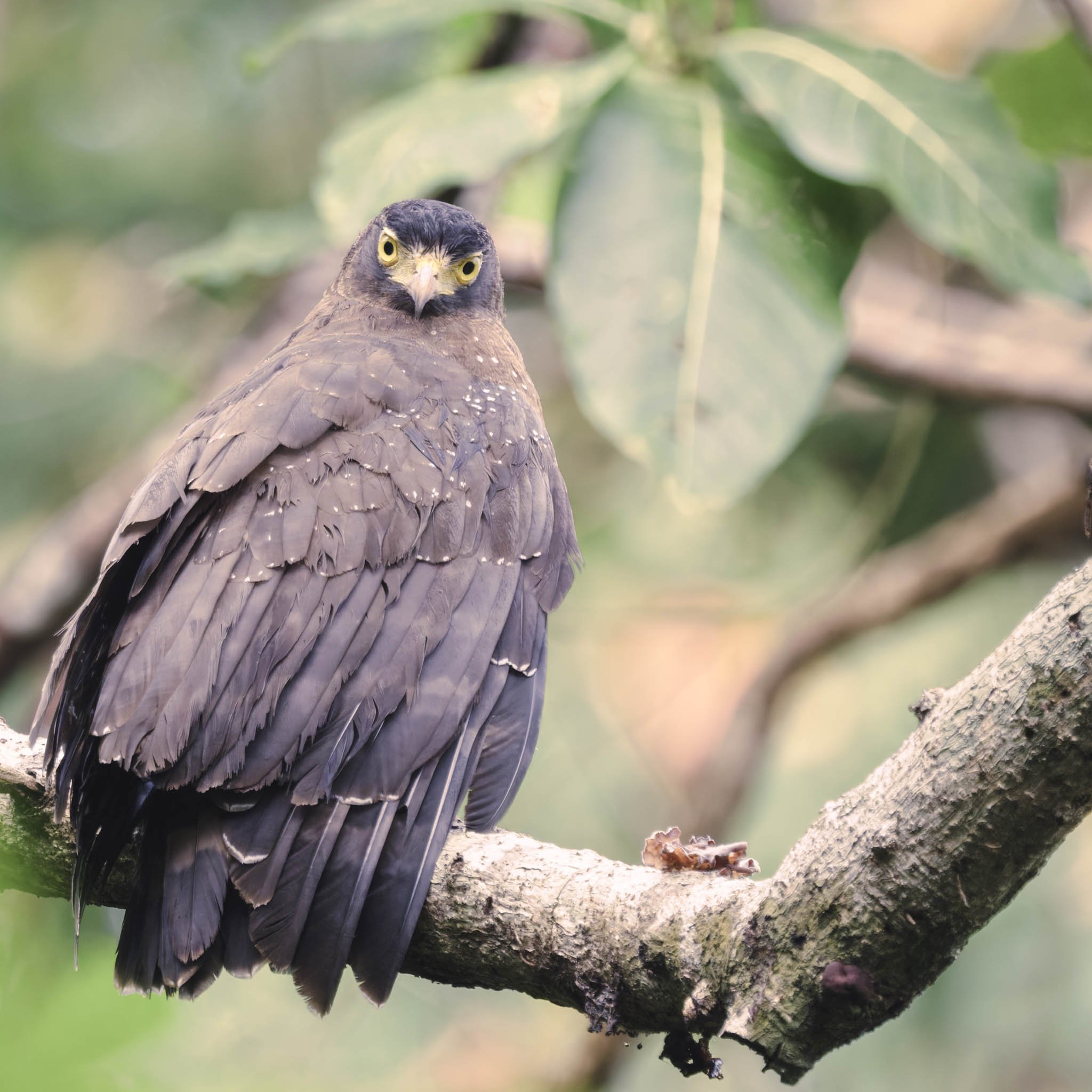
Andaman Serpent Eagles
The rainforest doesn't give up its treasures easily. Within hours of our first trek into the canopy-shrouded trails, we were greeted by the piercing gaze of a pair of Andaman Serpent Eagles. These raptors are the sentinels of the island, their dark plumage a perfect cloak against the shadows. As we moved deeper, the "small stuff" began to show—the vibrant Small Minivets and the energetic Andaman Flowerpeckers, moving like sparks of light through the green.
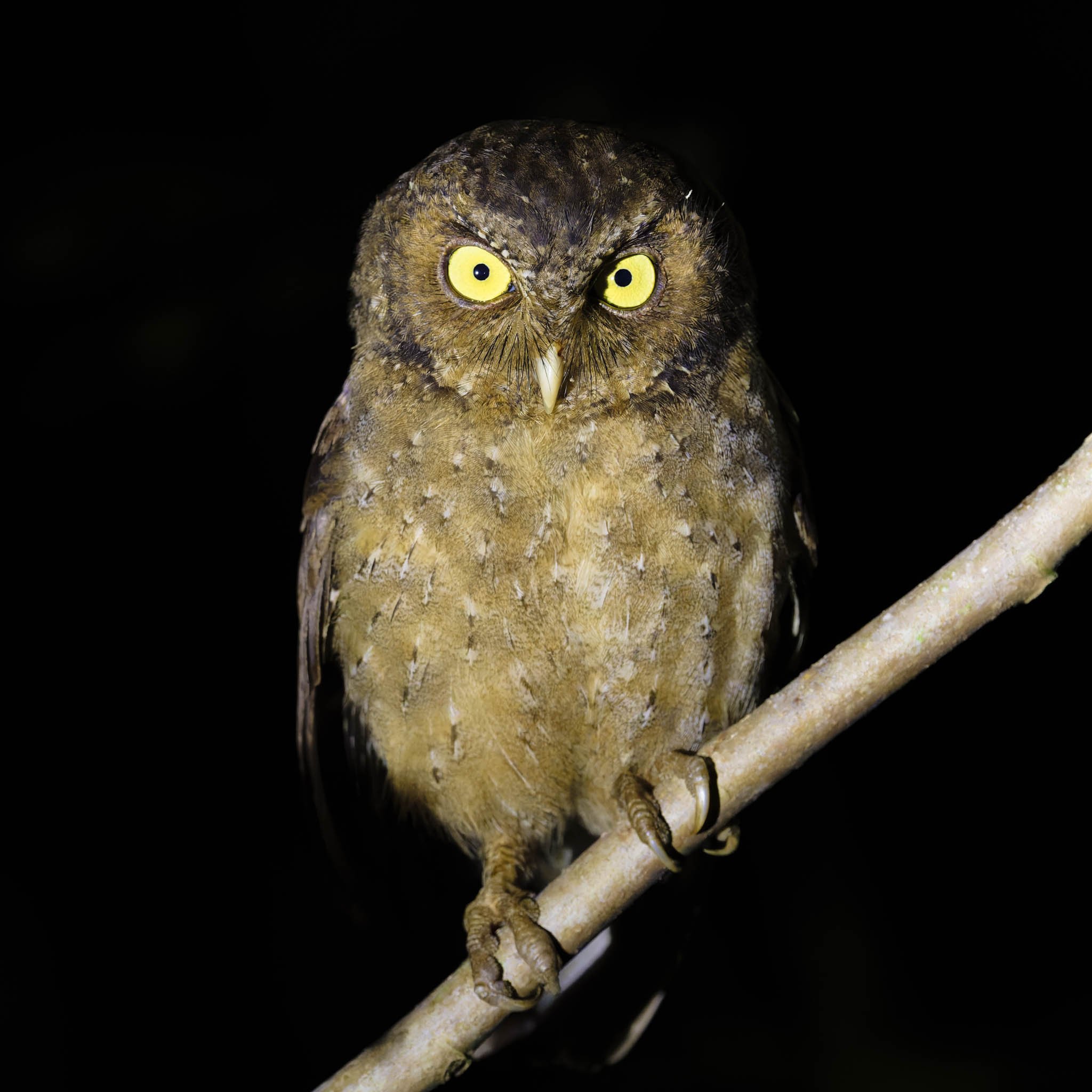
Andaman Nocturnal
The real test, however, came after sundown. Entering the forest at night to find the cryptic Andaman Nightjar and Andaman Scops-Owl, the Hume’s Boobook is an exercise in sensory deprivation. We navigated by the low hum of the jungle, looking for the tell-tale "eye-shine" that betrays a predator’s position. It was a journey that ultimately culminated in my 2025 coffee table book, a visual testament to these "Endemic Echoes."
Technical Execution
Photographing in the Andaman rainforest is a battle against the "Exposure Triangle." The dense canopy acts as a natural ND filter, often leaving you with light levels equivalent to twilight, even at noon.
Taming the ISO: To maintain a shutter speed fast enough to freeze the subtle movements of an eagle (typically 1/500s or 1/800s), I pushed my Nikon's sensor to ISO 3200 and 6400. Modern AI-denoising tools in post-processing make this a viable strategy, ensuring the fine feather detail remains sharp.
The Aperture Advantage: I relied heavily on a wide-open f/4 to f/5.6 to pull as much light as possible and to isolate the subjects from the "busy" rainforest backgrounds.
Flash Ethics & Focus: For the nocturnal species, we used a low-lumen torch to assist the camera’s autofocus tracking without blinding the birds. A Better Beamer fresnel extender on my flash, set to a subtle fill (-2.0 EV), was essential for adding a catchlight to the owls' eyes without washing out the natural atmosphere.
Stability: A monopod was my constant companion. It provided the critical stability needed for slower shutter speeds during the night treks while allowing for the mobility required to navigate the uneven forest floor.
Wildlife & Environment
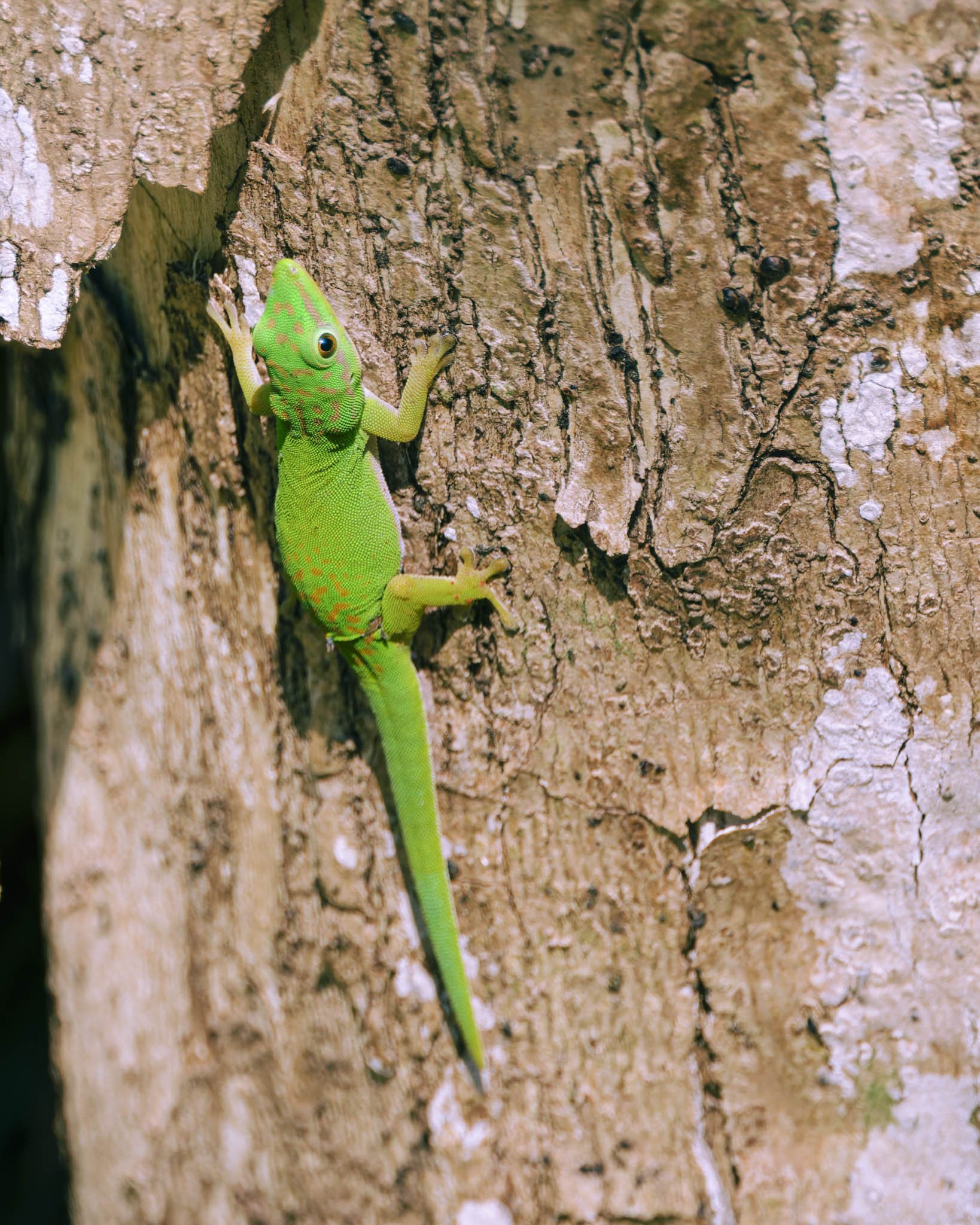
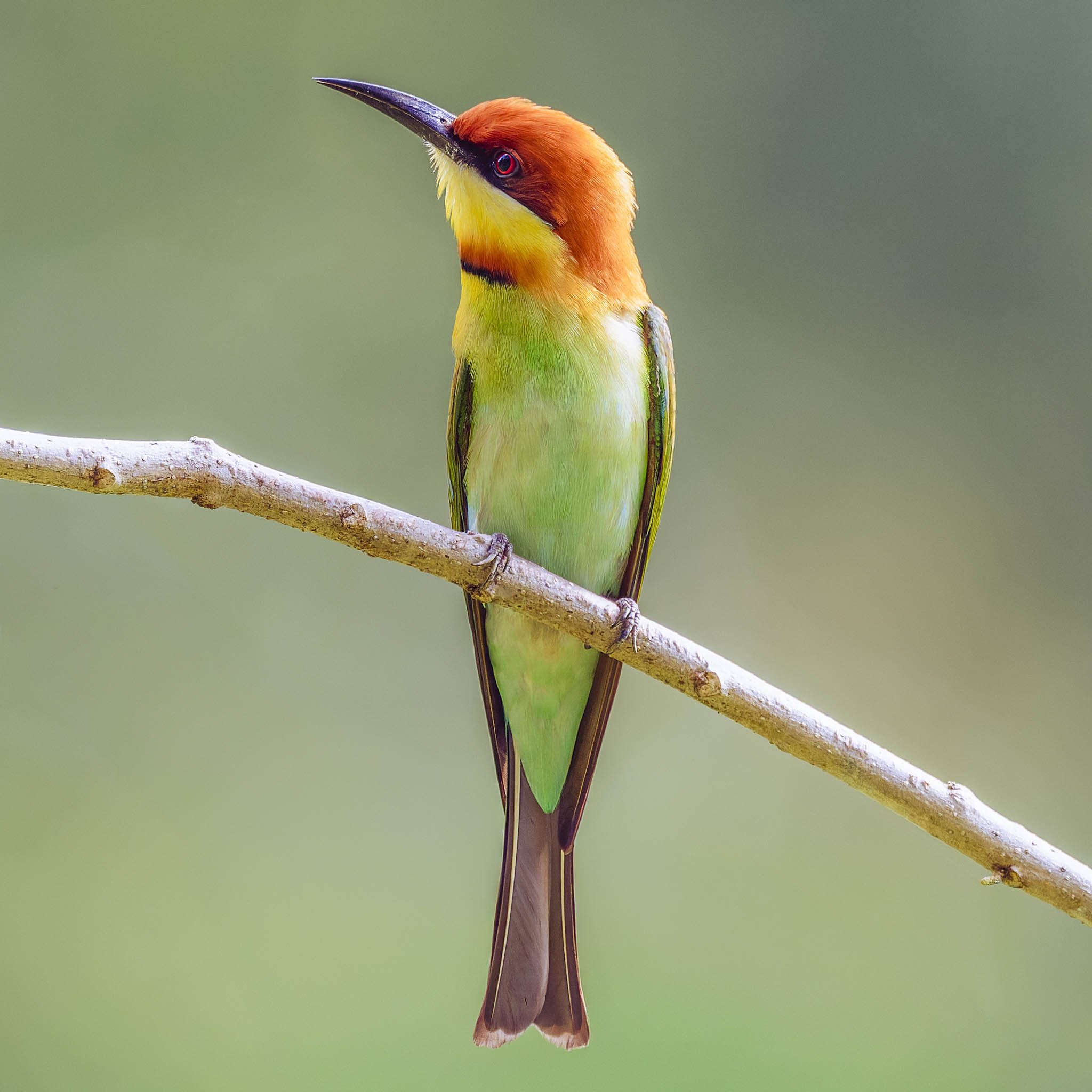
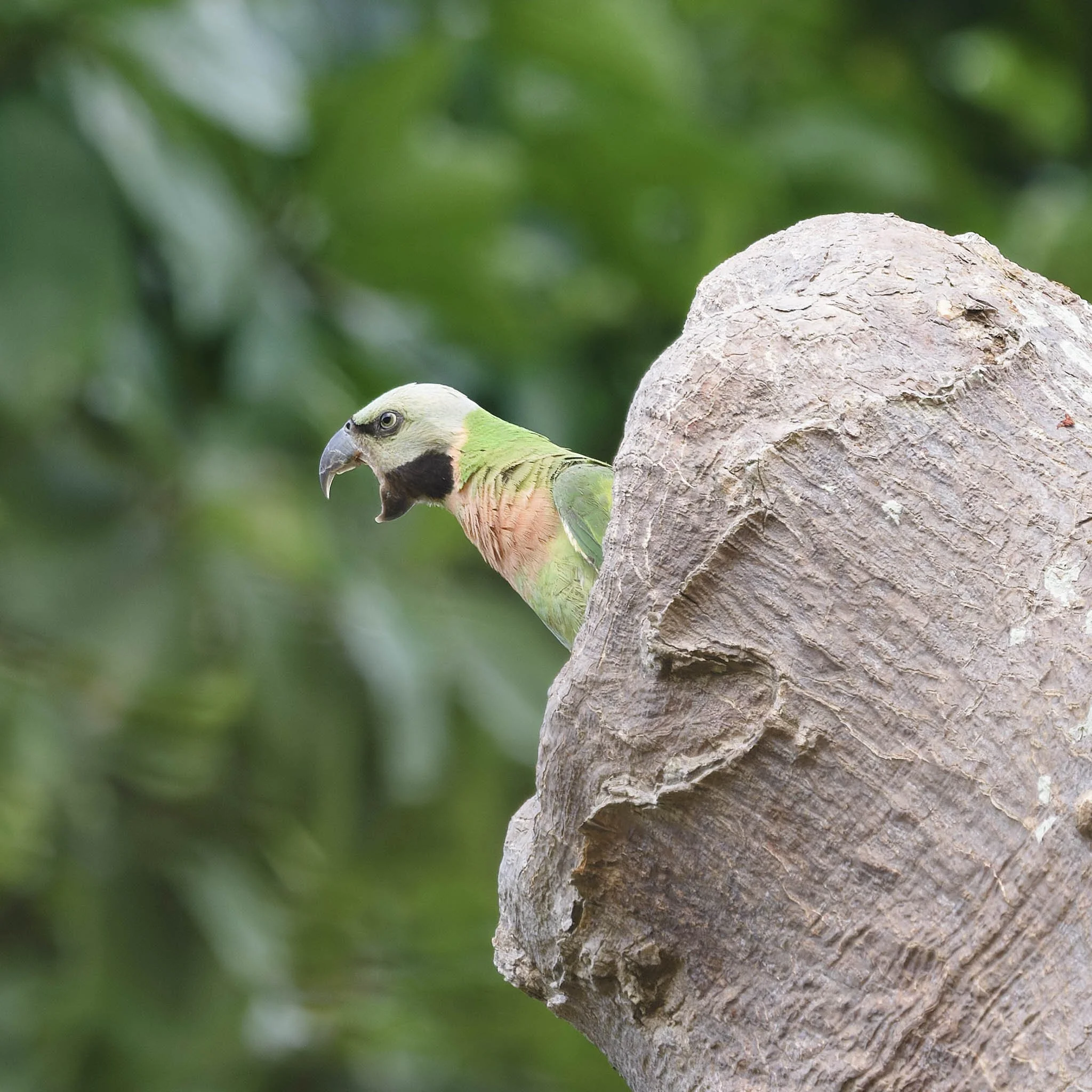
The Andaman Islands are an evolutionary laboratory, hosting over 20 endemic bird species found nowhere else on Earth.
The Andaman Serpent Eagle (Spilornis elgini) is a prime example. Unlike its mainland cousins, this raptor has adapted specifically to hunt snakes and lizards within the island's dense interior. Its presence is a bio-indicator of a healthy, intact ecosystem.
Equally fascinating is the Andaman Flowerpecker (Dicaeum virescens). These tiny birds are the primary pollinators of the island's mistletoe species, playing a crucial role in the lifecycle of the forest. During the winter months, the islands also host migrants like the Amur Stonechat, which travels thousands of miles from the grasslands of Eastern Asia to find sanctuary in the Andaman's open fallow lands.
Final Thoughts
The Nikon system was a game-changer for capturing the elusive wildlife of the Andaman Islands. With exceptional low-light performance handling ISO 6400 effortlessly, and incredible autofocus for nocturnal tracking, it made every shot possible in the dense canopy. Paired with a fast f/4.5 lens, it provided the perfect mix of light-gathering versatility and sharpness required for these endemic species.
Want to see more from this trip? Follow me on Instagram for exclusive shots and behind-the-scenes moments! And if you enjoyed this blog, let me know on Facebook—I'd love to see your shots!